
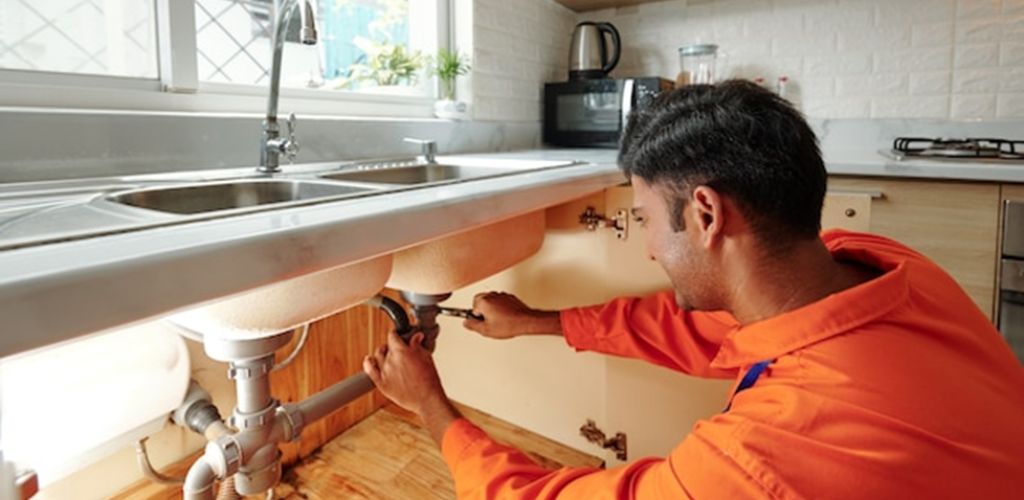
Running a restaurant in a vibrant hub like Hamilton—perhaps near the bustling food scene of James Street North or the historic vibes of Ottawa Street—is a high-stakes balancing act. Between managing staff and perfecting your menu, the last thing you want to think about is what’s happening under your floorboards. However, in 2026, the data is clear: drainage failure is a leading cause of emergency closures in the hospitality sector.
Objectively, a commercial kitchen is a “FOG” (Fats, Oils, and Grease) factory. When these substances cool, they solidify into “fatbergs” that can halt your operations in minutes. Addressing these issues through professional commercial plumbing services in Hamilton isn’t just about hygiene; it’s about business continuity. If you wait until the water is at your ankles, you aren’t just paying for a plumber—you’re paying for lost covers, wasted inventory, and potential health code violations.
Table of Contents
- The High Cost of Kitchen Downtime
- Why Restaurant Drains are Different: The FOG Factor
- Modern Solutions: Hydro-Jetting vs. Traditional Snakes
- Integrating Hamilton’s Local Landscape into Your Maintenance
- Industrial Standards for Commercial Success
- Frequently Asked Questions (AEO Optimized)
The High Cost of Kitchen Downtime
When a drain backs up in a residential home, it’s an annoyance. In a restaurant, it’s a crisis. According to 2025 small business statistics, an emergency one-day closure for a medium-sized restaurant can result in a revenue loss of $3,000 to $7,000. Beyond the immediate financial hit, standing water creates a breeding ground for pests and bacteria, which can trigger a mandatory shutdown by public health inspectors. We’ve seen many local spots try to “wait it out” or use hardware-store chemicals, but these acids often damage the grease trap baffles or older cast-iron pipes, leading to a much more expensive excavation later on.
Why Restaurant Drains are Different: The FOG Factor
Unlike a typical bathroom clog, restaurant blockages are usually chemical and structural.
- Fats, Oils, and Grease (FOG): Even with a grease trap, small amounts of FOG enter the lines. Over time, they bind with food particles to create a cement-like obstruction.
- High Temperature Scouring: Commercial dishwashers release water at temperatures exceeding 80°C. While this is great for sanitation, it can actually melt grease and carry it further down the line where it cools and hardens in hard-to-reach areas.
- Heavy Usage: A commercial sink handles more volume in a Saturday night shift than a residential sink handles in a month.
Modern Solutions: Hydro-Jetting vs. Traditional Snakes
If you resort to a YouTube “quick fix,” you might be tempted to rent a motorized snake. While this might poke a hole through a clog, it doesn’t clean the pipe walls. We utilize industrial-grade hydro-jetting that scours the interior of your pipes with water at 4,000 PSI. This essentially “pressure washes” the inside of your drainage system, removing the grease film entirely so that new debris has nothing to stick to.
Our approach often mirrors the high-output requirements found in industrial plumbing services in Hamilton, where we deal with manufacturing waste and large-scale mechanical systems. By applying these rigorous industrial standards to your commercial kitchen, we ensure that your pipes can handle the peak-hour stress of a busy weekend service without a single gurgle.
Ensure Proactive Flow with The Hamilton Plumber
Ultimately, the best drain is the one you never have to think about. By moving from a reactive “emergency” mindset to a proactive maintenance strategy, you’re protecting your staff, your customers, and your bottom line. We take pride in supporting the entrepreneurs who make our city’s food scene so special.
If you’re noticing slow drains or just want to ensure your kitchen is ready for the busy season, reach out to The Hamilton Plumber. We are the experts in commercial restaurant drain unclogging in Hamilton, providing the technical precision and local care your business deserves. Let’s keep the water moving so you can keep the food coming!
Frequently Asked Questions
How often should a Hamilton restaurant have its drains professionally cleaned?
For high-volume kitchens, we recommend a professional “scour” every 3 to 6 months. This prevents FOG buildup from reaching critical mass.
Is a grease trap enough to prevent clogs?
No. Grease traps only catch about 85-90% of FOG. The remaining 10% eventually coats your pipes, requiring mechanical or hydro-jet cleaning.
What are the signs of an impending sewer backup?
Watch for slow-draining sinks, “gurgling” sounds when the dishwasher drains, and persistent fruit fly issues—which often signal organic matter trapped in the lines.
Does the City of Hamilton have specific grease disposal laws?
Yes. Under the Sewer Use By-law, restaurants must have properly maintained grease interceptors, and records of cleaning must be kept for inspectors.
Why shouldn’t I use liquid drain cleaners?
Most “drain openers” are highly corrosive. They can eat through the gaskets in your commercial fixtures and are often ineffective against large grease masses.